

Blog
Discover the Power of Raisins: Health Benefits & More 🍇
Explore Iranian saffron export: trends, challenges, key markets, and strategies to thrive in the global saffron trade with unmatched quality
Table of Contents
Introduction to Raisins: What You Need to Know
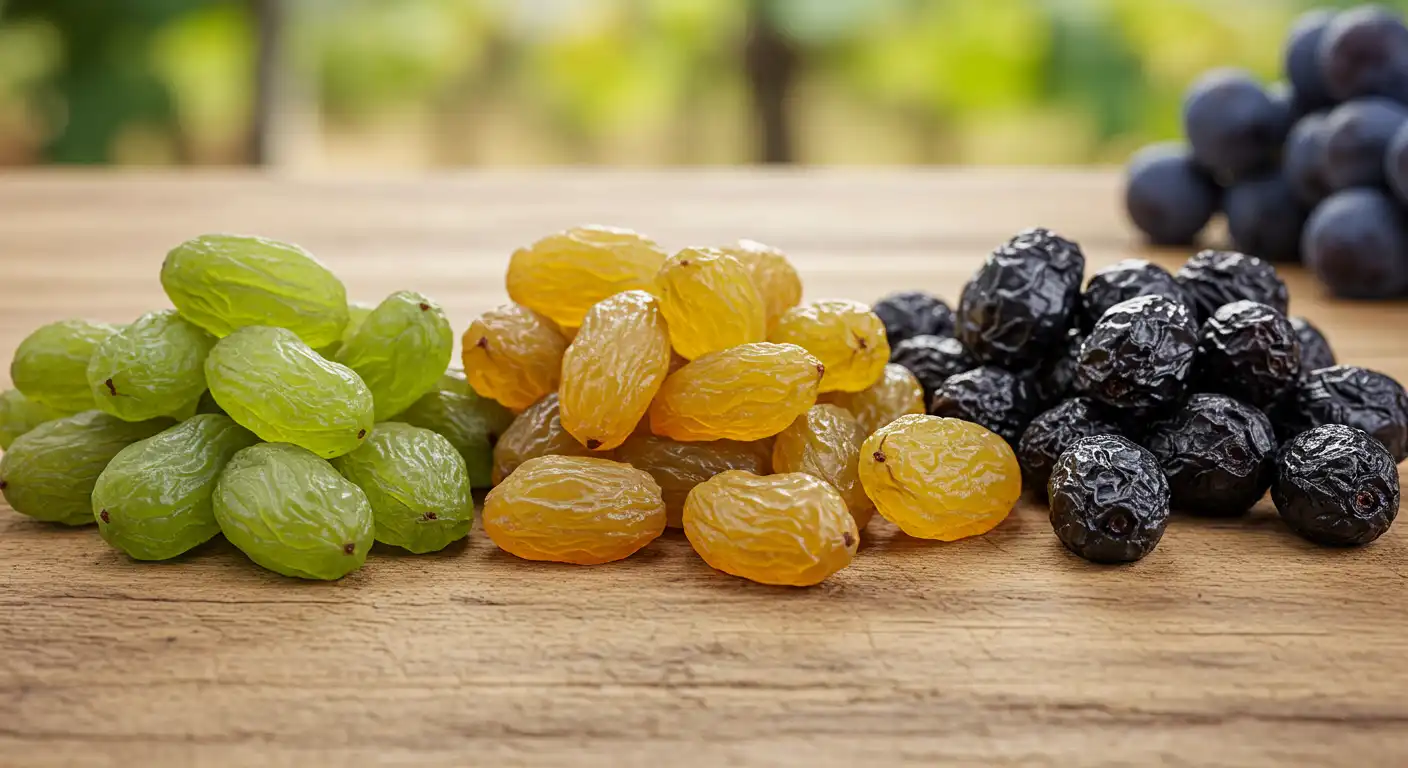
Raisins, the dried form of grapes, have been enjoyed for centuries for their sweet taste and nutritional benefits. Unlike fresh grapes, they are shriveled, chewy, and packed with concentrated nutrients. These dried fruits are commonly used in baking, cooking, and as snacks due to their versatility and health advantages. Raisins come in several varieties, including black, golden, and green, each with unique qualities and uses.
In this article, we’ll explore everything you need to know about dried grapes, from their health benefits and nutritional profile to their uses in everyday meals. Whether you’re looking for a tasty snack or a healthy addition to your diet, raisins are a great choice.

The History of Raisins: From Ancient Times to Today
Raisins have a long and fascinating history, dating back thousands of years to ancient civilizations. The process of drying grapes to create these sweet fruits was first developed in the Mediterranean region, where grapes were abundant. Here’s a brief look at their history:
Ancient Egypt: The Egyptians were some of the earliest to discover the drying process. Dried grapes were highly prized for their sweetness and were often used in religious rituals and offerings to the gods.
Roman Empire: The Romans also valued dried grapes for their sweetness and health benefits. They were frequently used in cooking and as a form of currency or trade.
Spread Across the World: As trade routes expanded, dried grapes spread across Europe, Asia, and the Americas. They became a popular ingredient in various cuisines and were seen as a symbol of prosperity and luxury.
Today, raisins are enjoyed worldwide and are used in everything from snacks and baked goods to savory dishes. Their rich history and enduring popularity make them a timeless ingredient.
How Raisins Are Made: The Drying Process Explained
Raisins are created by drying fresh grapes, which removes the water content and concentrates the sugars. There are different methods used to dry grapes, including sun-drying, mechanical drying, and dehydration. Each technique affects the flavor and texture of the dried fruit.
Sun-Drying: This traditional method involves spreading grapes out in the sun for several days, allowing natural sugars to develop. Sun-dried fruits often have a darker color and a rich, sweet flavor.
Mechanical Drying: In this method, grapes are placed in industrial dehydrators, which use heat to dry the fruit quickly. This process results in raisins that are lighter in color and more consistent in size and texture.
Dehydration: Some modern techniques use controlled environments to remove moisture from grapes, preserving their nutrients while speeding up the drying process.
Once dried, the raisins are sorted by size, color, and quality before being packaged for sale. The drying process is what gives them their concentrated flavor and chewy texture.
Types of Raisins: Exploring Different Varieties
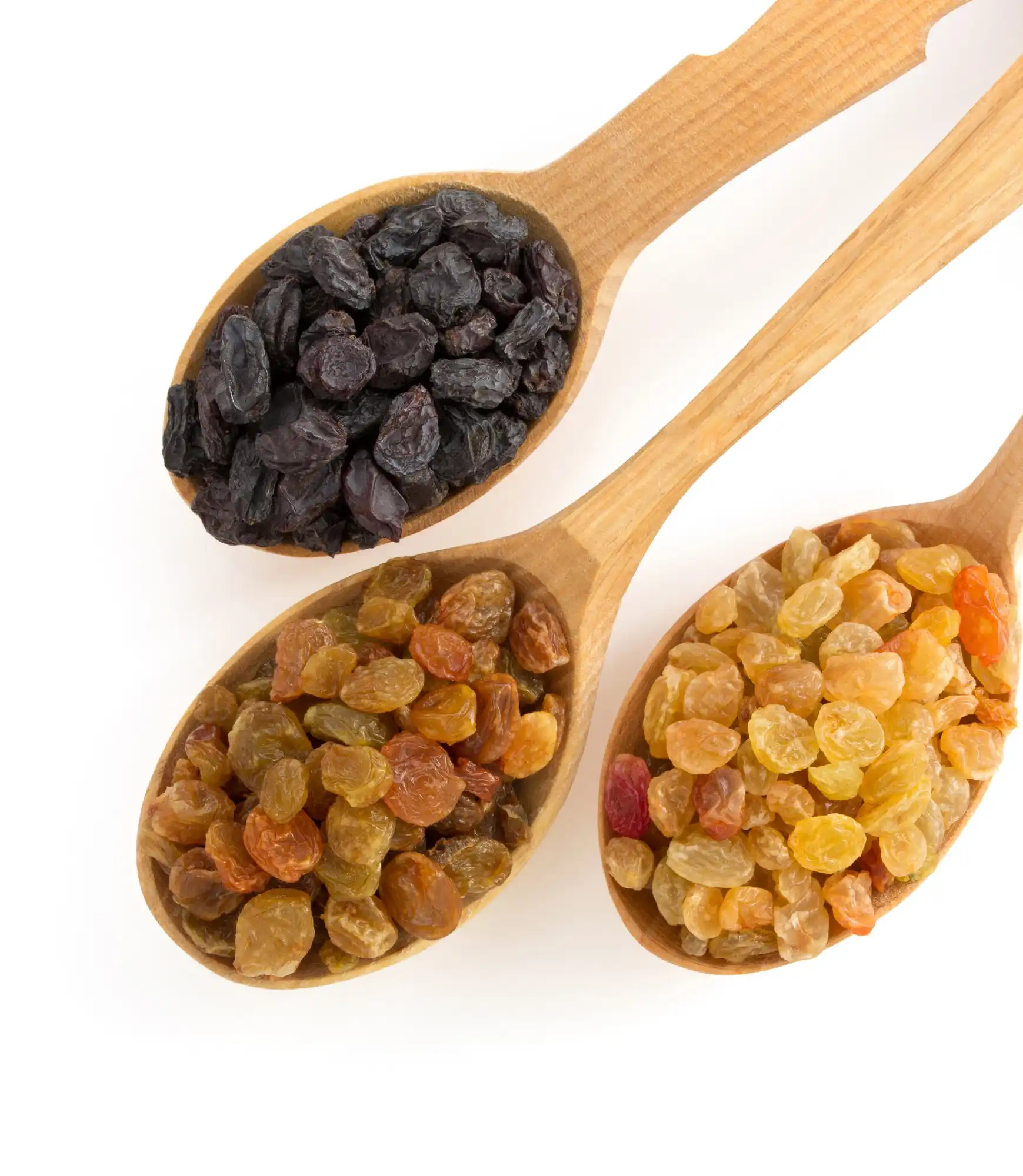
Dried grapes come in several different varieties, each offering unique flavor profiles and uses in cooking and baking. The most common types include:
Thompson Seedless: These are the most popular variety, known for their sweet flavor and small size. They are commonly used in baking and as a snack.
Golden Raisins: Made from green grapes, golden dried grapes are treated with sulfur dioxide to preserve their light color. They have a milder, less tangy flavor compared to other types and are often used in salads and desserts.
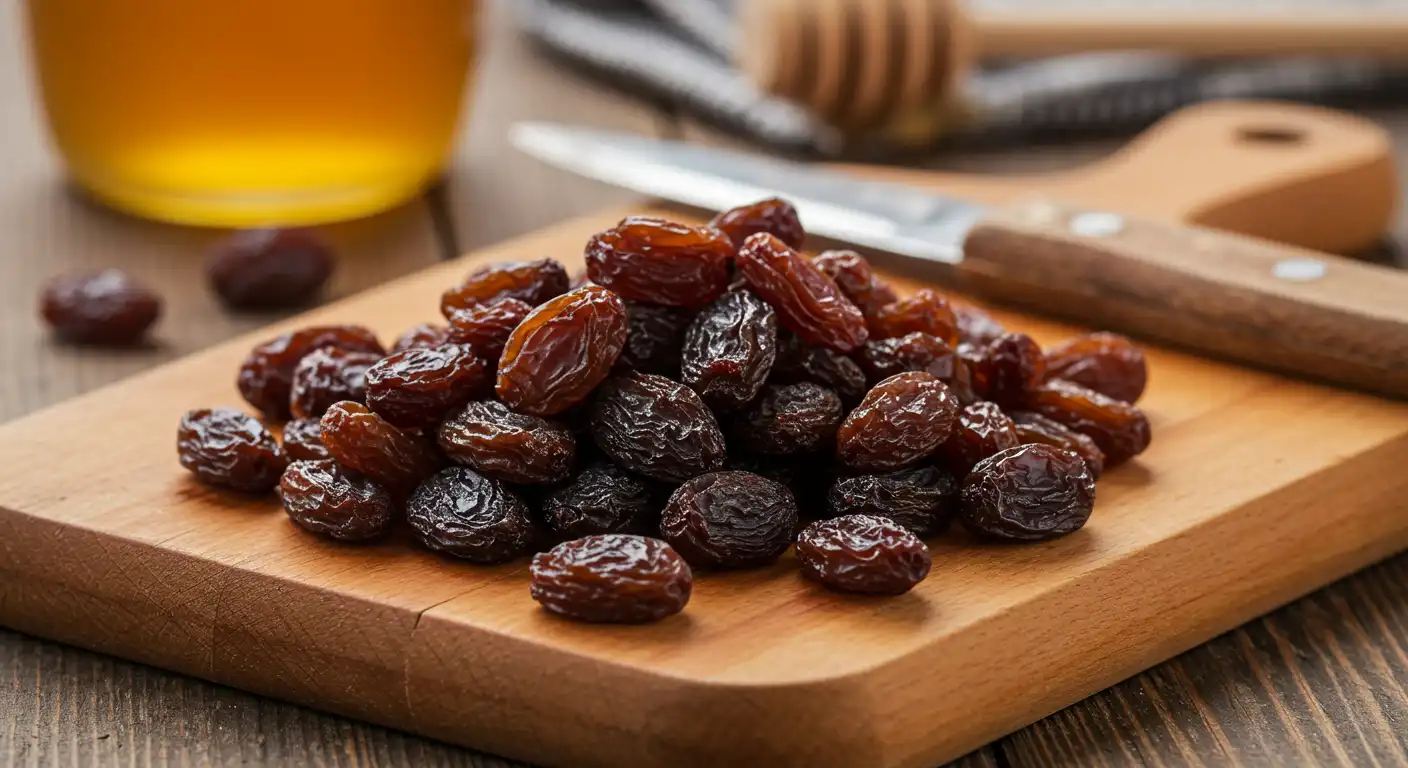
Black Raisins: Made from red or black grapes, these dried fruits are known for their intense, sweet flavor. They are often used in Mediterranean dishes and are prized for their antioxidant properties.
Currants: Small, seedless dried grapes made from the black Corinth variety. Currants are commonly used in baking, particularly in scones and cakes.
Each variety brings its unique flavors and uses to the table, making dried grapes a versatile ingredient in your kitchen.
Raisins vs. Grapes: What's the Difference?
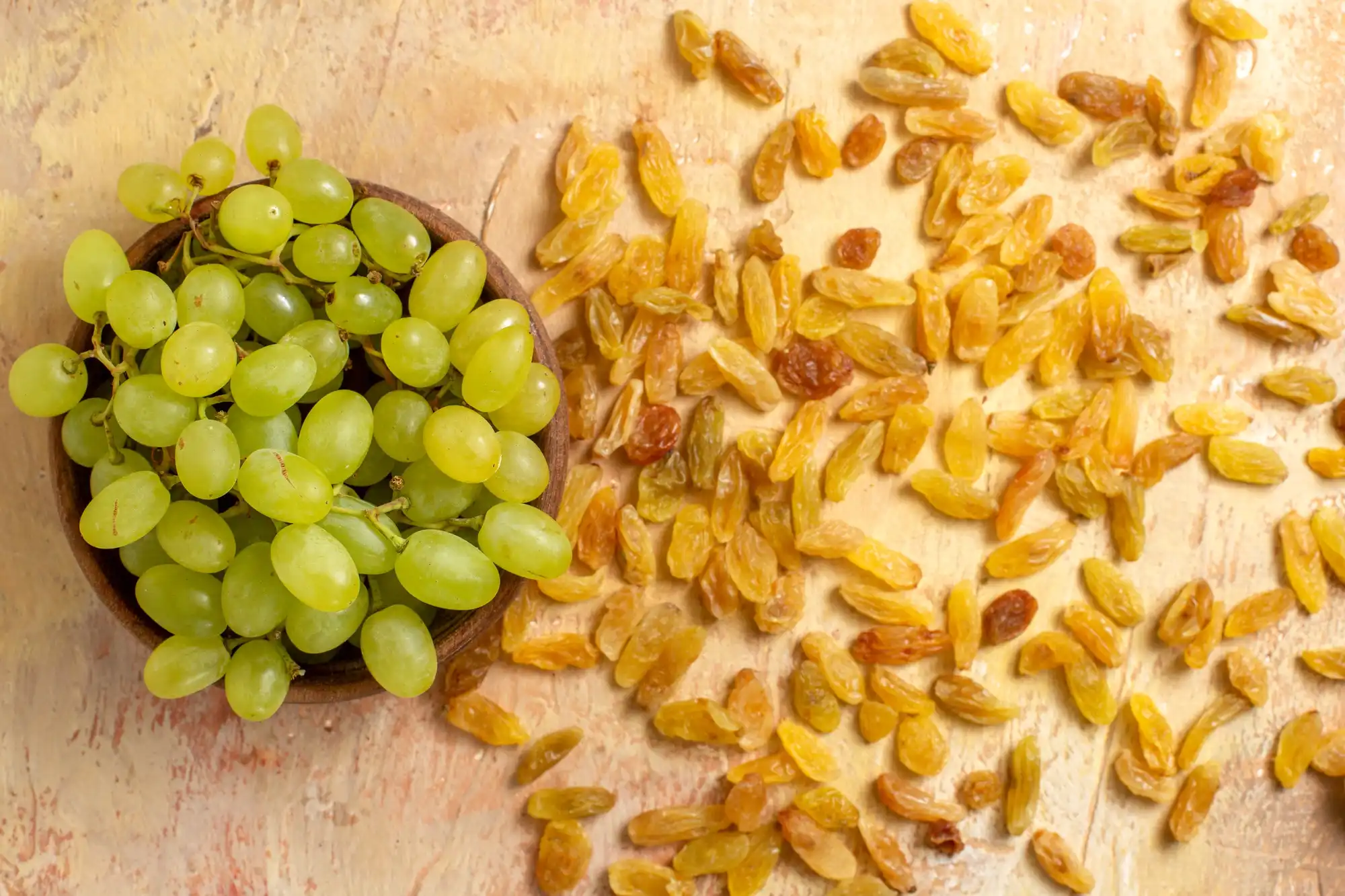
A common question is how dried grapes differ from fresh fruit. While both raisins and fresh grapes come from the same plant, several key differences exist:
Water Content: Grapes contain high levels of water, while dried grapes have much less due to the drying process. This makes dried fruits more calorie-dense than fresh grapes.
Sugar Content: The drying process concentrates the sugars in grapes, making dried varieties higher in sugar compared to fresh ones.
Shelf Life: Dried grapes have a much longer shelf life because the water removal prevents spoilage. Fresh grapes are perishable and need to be consumed quickly.
Texture and Taste: Dried grapes are chewier and more concentrated in flavor, while fresh grapes are crisp and juicy.
Both fresh grapes and dried versions offer nutritional benefits, but dried grapes provide a more concentrated source of calories and nutrients.
The Nutritional Profile of Raisins
Dried grapes are packed with essential nutrients that can contribute to a healthy diet. Here’s a breakdown of their nutritional profile:
Calories: Dried grapes are calorie-dense, with about 300 calories per 100 grams. This makes them an excellent energy source, especially for athletes or anyone needing a quick energy boost.
Carbohydrates: Dried grapes are high in carbohydrates, providing around 80 grams per 100 grams. Most of these come from natural sugars, making them a great energy source.
Fiber: With about 3.7 grams of fiber per 100 grams, dried grapes support digestive health and help keep you feeling full longer.
Vitamins and Minerals: Dried grapes are rich in iron, potassium, and magnesium, which are vital for red blood cell production, electrolyte balance, and muscle function.
Adding dried grapes to your diet is a simple way to ensure you’re getting a wide range of essential nutrients.
The Health Benefits of Raisins: A Nutrient Powerhouse
Dried grapes are more than just a sweet treat; they offer a range of health benefits that make them a powerhouse of nutrients. Packed with essential vitamins and minerals, they can contribute to your overall well-being in many ways. Here are some of the key health benefits of dried grapes:
Rich in Fiber: Dried grapes are a great source of dietary fiber, which is essential for digestive health. Fiber helps regulate bowel movements and prevent constipation.
High in Antioxidants: These dried fruits contain powerful antioxidants such as phenols and flavonoids that help combat free radicals, reduce inflammation, and protect the body against chronic diseases.
Heart Health: Dried grapes support heart health by lowering blood pressure and cholesterol levels. Their high potassium content helps balance sodium levels, promoting healthy blood circulation.
Bone Health: Dried grapes are rich in calcium and other minerals like magnesium and boron, which are vital for maintaining strong bones and preventing conditions like osteoporosis.
Incorporating dried grapes into your diet can provide a significant boost to your overall health. They’re not just tasty but also packed with nutrients that support various bodily functions.
Raisins for Heart Health: What the Research Says
Dried grapes offer various heart health benefits, largely due to their rich nutritional profile. Packed with essential minerals, antioxidants, and fiber, they may help support a healthy heart. Here’s a breakdown of how dried grapes can benefit your cardiovascular system:
Rich in Potassium: Dried grapes are an excellent source of potassium, a mineral that helps maintain normal blood pressure levels by counteracting the effects of sodium. Potassium helps relax blood vessel walls, which can lower blood pressure and reduce the risk of hypertension.
High in Antioxidants: The polyphenols and flavonoids in dried grapes act as powerful antioxidants, which help protect the heart from oxidative stress. These antioxidants can reduce inflammation and improve the function of blood vessels, lowering the risk of heart disease.
Cholesterol Management: Dried grapes are also rich in soluble fiber, which can help reduce levels of LDL (bad cholesterol) in the blood. By lowering LDL cholesterol, they help prevent the buildup of plaque in the arteries, reducing the risk of heart attacks and strokes.
Promote Healthy Blood Circulation: The minerals found in dried grapes, such as iron, help improve blood circulation by supporting the production of red blood cells and oxygen transport. This can enhance overall heart function and prevent cardiovascular issues.
Including dried grapes in your diet regularly can provide valuable nutrients that support heart health, and may reduce the risk of developing heart disease and related complications.

How Raisins Can Boost Your Digestive Health
Dried grapes are a great source of dietary fiber, which plays a crucial role in maintaining a healthy digestive system. The fiber content in these fruits helps regulate bowel movements and prevent constipation. But they offer even more digestive benefits beyond their fiber content:
Promote Healthy Gut Bacteria: The fiber in dried grapes acts as a prebiotic, feeding the beneficial bacteria in your gut. A healthy gut microbiome is essential for digestion, immune function, and overall health.
Prevent Constipation: Dried grapes are known for their ability to help relieve constipation due to their high fiber content. The soluble fiber in dried grapes absorbs water and forms a gel-like substance that helps move stool through the intestines more easily.
Improve Digestion: Dried grapes also contain natural enzymes, which aid in the digestion of food and the absorption of nutrients. These enzymes help break down complex carbohydrates and proteins, making them easier for the body to digest.
By incorporating dried grapes into your diet, you can support a healthy digestive system and improve overall gut health.

Raisins and Their Role in Weight Management
Dried grapes are packed with antioxidants, which are compounds that protect your body from oxidative stress caused by free radicals. Free radicals are unstable molecules that can cause cell damage and contribute to the aging process and various diseases, including cancer and heart disease. The antioxidants found in dried grapes help neutralize these free radicals and reduce their harmful effects.
Key Antioxidants in Dried Grapes:
Polyphenols: Dried grapes are rich in polyphenols, which are plant-based compounds known for their antioxidant properties. These polyphenols have been shown to reduce inflammation and support cardiovascular health.
Flavonoids: Dried grapes contain flavonoids, antioxidants that help protect the cells from oxidative damage and support the immune system.
Vitamin C: Although dried grapes contain relatively low amounts of vitamin C compared to fresh fruits, the vitamin C they provide still plays an important role in protecting the body from oxidative damage.
Incorporating dried grapes into your diet can help combat oxidative stress, protect your cells, and support long-term health.
The Antioxidant Benefits of Raisins
Saffron has been used in traditional medicine for centuries. Whether you’re using Super Negin saffron, Sargol saffron, or other types of saffron, it is believed to have various healing properties, including:
Pain Relief: Saffron may help alleviate pain and discomfort.
Digestive Aid: Saffron can aid in digestion and reduce bloating.
Skin Health: Saffron is often used in skincare products for its antioxidant properties.
Raisins for Skin Health: Beauty Benefits You Didn't Know About
In addition to being a delicious and nutritious snack, dried grapes can also benefit your skin. Thanks to their high levels of antioxidants, vitamins, and minerals, dried grapes have a positive effect on your skin health.
Fight Signs of Aging: The antioxidants in dried grapes help neutralize free radicals, which can damage skin cells and accelerate the aging process. Regular consumption of dried grapes may help reduce the appearance of fine lines and wrinkles and keep your skin looking youthful.
Hydrate and Nourish the Skin: Dried grapes are a good source of water and can help hydrate your skin from the inside out. They also contain vitamin C, which promotes the production of collagen, a protein essential for maintaining the skin’s elasticity and firmness.
Clear Skin and Prevent Acne: Dried grapes contain natural antibacterial properties that can help cleanse the skin and prevent acne outbreaks. Additionally, the high fiber content in dried grapes helps eliminate toxins from the body, contributing to clearer, healthier skin.
Promote Glowing Skin: The iron in dried grapes helps boost blood circulation to your skin, providing it with essential nutrients and oxygen. This can help your skin glow naturally and maintain a healthy complexion.
To reap the benefits of dried grapes for your skin, try adding them to your daily diet or creating homemade face masks using raisin extracts.
Why Raisins Are a Great Addition to Your Diet
Dried grapes are not only sweet and satisfying, but they are also packed with essential vitamins, minerals, and fiber. Here are some reasons why dried grapes should be a staple in your diet:
Natural Sweetness: Dried grapes are a great alternative to candy and sugary snacks. They provide a natural source of sweetness while offering more nutritional benefits.
Portable Snack: Dried grapes are easy to carry and require no refrigeration, making them a convenient snack option. You can take them on-the-go and enjoy their health benefits anytime, anywhere.
Packed with Nutrients: Dried grapes are rich in vitamins such as vitamin B6, vitamin C, and folate, which support energy production, immune function, and overall health.
Versatile Ingredient: Whether you’re adding them to salads, baked goods, or savory dishes, dried grapes can enhance the flavor and texture of any recipe.
Incorporating dried grapes into your meals can contribute to a balanced diet while satisfying your sweet tooth.
Raisins as a Natural Energy Snack
Dried grapes are a natural and portable energy source, making them an ideal snack for anyone who needs a quick pick-me-up. They are calorie-dense, providing a high number of calories in a small serving. This makes them a great option for athletes, hikers, or anyone needing a quick energy boost during the day.
Quick Source of Carbohydrates: The high carbohydrate content in dried grapes provides a quick source of energy that can help you power through a workout or an afternoon slump.
Packed with Natural Sugars: The natural sugars in dried grapes, such as glucose and fructose, are easily absorbed by the body and converted into energy.
Portable and Convenient: Dried grapes are easy to carry and require no refrigeration, making them a convenient on-the-go snack for busy individuals.
Whether you’re looking for a snack before a workout or an energy boost during a busy day, dried grapes can provide the fuel you need to keep going.
The Sugar Content in Raisins: What You Should Know
Raisins are naturally sweet, and much of this sweetness comes from the sugars that are concentrated during the drying process. While these dried grapes offer a healthier alternative to candies and processed sweets, it’s important to understand their sugar content and how it fits into a balanced diet.
- Natural Sugars: The sugars found in raisins are natural, primarily derived from glucose and fructose. These sugars provide a quick source of energy and are metabolized more slowly than refined sugars, helping to maintain stable blood sugar levels.
- Moderation is Key: Although dried grapes are a healthier source of sugar compared to candy, it’s important to consume them in moderation. Due to their concentrated sugar content, eating large quantities of these sweet treats can lead to an excess of calories and sugar.
- Healthy Alternative: Raisins make a great substitute for processed snacks and sugary treats. They offer natural sweetness along with fiber, antioxidants, and essential nutrients.
If you’re concerned about sugar intake, it’s best to enjoy dried grapes in moderation as part of a balanced diet. Their natural sugars are a healthier option compared to refined alternatives.

How to Incorporate Raisins into Your Daily Meals
Raisins are a versatile ingredient that can be added to various dishes to enhance flavor and nutritional value. Here are some creative ways to incorporate these dried fruits into your daily meals:
- In Breakfast Dishes: Add raisins to your oatmeal, yogurt, or cereal for a natural sweetener and a nutritional boost.
- In Baking: Raisins are a popular ingredient in baked goods such as cookies, muffins, and bread. Their natural sweetness eliminates the need for added sugars.
- In Salads: Toss dried grapes into salads for a sweet contrast to savory ingredients like nuts, cheese, and greens.
- In Smoothies: Blend raisins into your smoothies for added fiber and a naturally sweet flavor.
- As a Snack: Enjoy raisins on their own as a quick and easy snack, or combine them with nuts for a nutritious trail mix.
Incorporating these sweet dried fruits into your daily meals is an easy way to boost your nutrient intake while satisfying your cravings for something sweet.
Raisins in Cooking: Sweet and Savory Recipes
Raisins are incredibly versatile in the kitchen and can be used in a wide variety of recipes. Whether you’re preparing sweet treats or savory dishes, these dried fruits add a unique depth of flavor and texture. Let’s explore some ideas on how to incorporate raisins into your cooking:
Sweet Recipes:
Raisin Cookies: Raisins are a classic addition to cookie recipes, especially oatmeal cookies. Their sweetness complements the oats and spices, creating a chewy, satisfying treat.
Raisin Cakes: Dried grapes can be added to cakes for added moisture and a burst of sweetness. They pair well with cinnamon, nutmeg, and other warm spices, making them perfect for fall-inspired desserts.
Raisin Muffins: Adding raisins to muffins provides natural sweetness and moisture, resulting in a tender, flavorful muffin that pairs well with a morning cup of coffee or tea.
Rice Pudding with Raisins: Rice pudding is another classic dessert where raisins shine. The combination of creamy rice and sweet dried grapes makes for a delicious and comforting dish.
Savory Recipes:
Raisin and Nut Pilaf: Combine raisins with nuts, such as almonds or pistachios, and add them to rice or quinoa for a fragrant and flavorful pilaf. The raisins add a touch of sweetness that balances the savory flavors of the dish.
Middle Eastern Tagine: Dried grapes are commonly used in Middle Eastern and North African cooking. In a traditional tagine, they are added to slow-cooked stews with lamb, chicken, or vegetables, imparting sweetness that complements the rich, savory flavors.
Raisin Salad Dressings: Raisins can be pureed into a dressing or vinaigrette to add sweetness and a unique flavor. You can pair this with fresh greens, nuts, and cheese for a satisfying salad.
Spicy Raisin Chutney: Combine raisins with spices like ginger, cinnamon, and chili peppers to make a chutney that pairs perfectly with grilled meats, curries, or even sandwiches.
Raisins add a natural sweetness to both sweet and savory dishes, making them a must-have in your cooking arsenal. Their chewy texture and ability to absorb flavors make them incredibly adaptable to various types of cuisine.
Common Myths About Raisins Debunked
There are several misconceptions about this dried fruit that may prevent people from enjoying its benefits. Let’s clear up some of the most common myths and set the record straight.
Myth #1: Raisins are unhealthy because they contain too much sugar.
✅ Fact: While dried grapes do contain natural sugars, they are also packed with fiber, antioxidants, and essential vitamins and minerals. When consumed in moderation, they can be a healthy addition to a balanced diet. The naturally occurring sugars provide quick energy without causing the same blood sugar spikes as refined sweeteners.
Myth #2: Raisins cause cavities due to their stickiness.
✅ Fact: Although they have a chewy texture, they are not as harmful to teeth as processed sweets. Unlike refined sugar, the natural components in this dried fruit do not contribute significantly to tooth decay. However, maintaining oral hygiene, such as rinsing your mouth after consumption, is always a good practice.
Myth #3: Raisins are only useful in desserts.
✅ Fact: These little gems are incredibly versatile and work well in both sweet and savory dishes. They enhance the natural sweetness of baked goods, complement salads, add depth to grain-based meals, and even balance flavors in stews and meat dishes.
Myth #4: Raisins are just an energy-boosting snack.
✅ Fact: While they are a great source of quick energy, their benefits go far beyond that. They support heart health, aid digestion, and provide antioxidants, making them a nutritious component of a well-rounded diet.
By understanding the true nutritional value of raisins, you can confidently enjoy them as part of your daily meals without falling for common myths.
How to Choose the Best Quality Raisins
When shopping for raisins, it’s important to know what to look for in order to choose the best quality. Here are some tips to ensure you’re getting the freshest and most nutritious raisins:
Check the Color: High-quality raisins should have a rich, deep color. They can range from golden to dark brown, depending on the type. Avoid raisins that are discolored, as this could indicate they are overripe or have been improperly stored.
Look for Plump, Moist Raisins: Fresh raisins should be plump and moist to the touch, but not sticky or overly wet. Dry or shriveled raisins may be older and could lack flavor and nutritional value.
Check for Additives: Opt for raisins that are free from added sugars, preservatives, or sulfur dioxide. Organic raisins are typically a good option if you’re looking to avoid additives.
Buy from Reputable Brands: Choose raisins from well-known, reputable brands or local producers who focus on quality and sustainability. If you buy in bulk, make sure the raisins are stored properly to prevent contamination or spoilage.
By following these tips, you can ensure that you’re purchasing high-quality raisins that are packed with flavor and nutrients.

The Best Ways to Store and Preserve Raisins
Proper storage of raisins is key to maintaining their freshness, flavor, and nutritional benefits. If you’ve purchased raisins in bulk or have leftovers, follow these tips to ensure they last as long as possible:
Store in a Cool, Dry Place: To preserve the quality of raisins, store them in an airtight container in a cool, dry location, such as a pantry. Excess moisture can cause raisins to clump together or spoil, so it’s important to keep them dry.
Refrigeration for Longer Shelf Life: If you live in a hot and humid climate or want to keep raisins for an extended period, refrigerating them is a good option. An airtight container or sealed plastic bag will prevent moisture from affecting the raisins.
Freezing Raisins: For the longest shelf life, you can freeze raisins. While freezing may alter their texture slightly, it will keep them fresh for up to a year. Be sure to place them in a freezer-safe container or bag to prevent freezer burn.
Avoid Sunlight and Heat: Sunlight and heat can cause raisins to lose their flavor and nutrients. Always store raisins away from direct sunlight, heat sources, and high humidity to maintain their quality.
By storing raisins properly, you can enjoy their natural sweetness and health benefits for a longer period.
Frequently Asked Questions (FAQ) About Raisins
Q1: Can raisins help with weight loss?
Yes, raisins can aid in weight management when consumed in moderation. Their fiber content promotes satiety and aids in digestion, helping you feel fuller for longer. Raisins also contain natural sugars that provide energy without the need for processed sugary snacks.
Q2: Are raisins good for digestion?
Raisins are an excellent source of dietary fiber, which promotes healthy digestion by preventing constipation and supporting regular bowel movements. They also contain natural enzymes that can help improve digestive health and reduce bloating.
Q3: How many raisins should I eat per day?
A small handful of raisins (about 30 grams or 1 ounce) is typically sufficient for most people as part of a balanced diet. However, it’s important to consume them in moderation, as they are calorie-dense and contain natural sugars.
Q4: Can raisins help with skin issues?
Yes, raisins can be beneficial for your skin due to their high levels of antioxidants, vitamins, and minerals. The antioxidants in raisins help protect your skin from free radical damage, reducing the appearance of wrinkles and promoting a youthful glow.
Q5: Are raisins safe for children?
Raisins are generally safe for children when given in moderation. They can be a great source of energy and nutrients for kids. However, be cautious with younger children to avoid choking hazards, and consider cutting them into smaller pieces.
Conclusion: Embrace the Power of Raisins
Raisins are more than just a sweet treat—they’re a powerful, nutrient-dense food that offers numerous health benefits, from boosting heart health to aiding in digestion and promoting glowing skin. Whether you enjoy them as a quick snack, add them to your favorite recipes, or incorporate them into your daily diet, raisins are a versatile and delicious choice that can enhance your overall well-being.
By choosing high-quality raisins and understanding their many uses, you can reap the full benefits of this ancient superfood. Incorporate them into your meals, snacks, and even skincare routines to take advantage of their powerful antioxidants and other beneficial compounds.
As we’ve explored throughout this article, raisins are a rich source of essential nutrients like fiber, potassium, iron, and vitamins, all of which contribute to your heart health, digestive system, and skin. Don’t be misled by myths about raisins being too sugary or only suitable for desserts—they’re a versatile and health-boosting addition to any balanced diet.
The next time you reach for a snack, consider choosing raisins for a natural, energy-packed boost that will support your health in multiple ways. Whether you’re looking to improve your heart health, support your digestion, or simply satisfy your sweet tooth, raisins are the perfect choice for a wholesome and delicious option.